A wet basement rarely starts with a dramatic flood.
Sometimes it’s a damp spot on the wall after a heavy rain. Maybe there’s a musty smell you can’t quite get rid of. You might notice white powdery marks on the concrete or find a small puddle near a crack.
Then spring arrives.
Snow melts. The ground gets saturated. A few inches of rain fall over the weekend, and suddenly that little moisture problem isn’t so little anymore.
Basement waterproofing starts with figuring out where the water is coming from. The right solution depends on the foundation, the soil around your home, drainage, and how much water you’re dealing with.
LeDuc Construction works with homeowners throughout Michigan’s Upper Peninsula to find the source of basement water problems and determine what needs to be done.
Sometimes the fix is fairly simple.
Other times, the water is telling you there’s a bigger drainage or foundation problem.
Why Is Water Getting Into My Basement?
Water can find its way into a basement through several paths.
It may seep through foundation cracks. Groundwater can push against basement walls. Poor grading can send rainwater toward the house instead of away from it. A clogged gutter or short downspout can dump gallons of water right beside the foundation.
Even a small problem can become a bigger one when the ground stays wet for days.
Common signs of basement water include:
- Damp or wet foundation walls
- Standing water on the basement floor
- White, chalky deposits called efflorescence
- Musty odors
- Peeling paint or damaged wall coverings
- Cracks that leak after rain
- Water around floor drains or pipe penetrations
- Mold or mildew
- A sump pump that runs constantly
If you see one of these problems, don’t automatically assume you need the most expensive waterproofing system available.
First, find out where the water is coming from.
Exterior Basement Waterproofing
Exterior waterproofing attacks the problem from the outside of the foundation.
The idea is pretty straightforward: keep water from reaching the basement wall in the first place.
Depending on the property, exterior waterproofing can involve excavating around the foundation, cleaning and repairing the wall, applying a waterproof membrane, installing drainage material, and improving the way water moves away from the house.
It is more work than painting something on the inside of a basement wall. There is no getting around that.
You may have to move soil, landscaping, patios, or other materials around the foundation to reach the wall.
For a home with serious water intrusion, though, getting to the outside of the foundation can address the source instead of simply managing the water after it gets inside.
Waterproofing Membranes
A waterproofing membrane creates a barrier between the foundation wall and the surrounding soil.
The membrane needs to cover the appropriate areas of the foundation and be installed according to the manufacturer’s requirements. Gaps, poor adhesion, damaged sections, or improperly prepared concrete can create weak spots.
That’s why preparation matters.
A waterproofing product is only part of the system. The condition of the foundation and the drainage around it matter, too.
Exterior Drainage
Water needs somewhere to go.
An exterior drainage system can collect groundwater around the foundation and direct it away from the house.
A typical system may include a perforated drainage pipe surrounded by gravel. Water enters the drainage system and moves toward a suitable discharge point.
In the right situation, this can reduce the amount of water pressing against the foundation.
That pressure is often called hydrostatic pressure. In plain English, it’s the pressure created by water sitting against or underneath your foundation.
French Drains and Basement Drainage

The term “French drain” gets used for several different drainage systems, so it can be confusing.
In general, a French drain uses a trench, drainage material, and perforated pipe to collect and move water.
For example, imagine a section of your yard that turns into a swamp every time it rains. Instead of letting that water sit there next to the house, a properly designed drainage system can give the water another path.
The same basic idea can be used around a foundation.
A drainage system can collect water and direct it toward an appropriate outlet or sump system.
The details matter, though. The depth, slope, soil, pipe, gravel, discharge point, and location all affect how well the system works.
“Eric and crew put in a waterproofing system for us in our basement and spring of 2026 was sure the year to test it. Boy did it work…
With all of the flooding throughout Delta & Menominee county, our basement was not one of them. Not a drop of water in our basement.
In addition to the basement water proofing system, Eric and crew installed rigid foam insulation on all exterior walls, installed 2 egress windows and even encapsulated our crawlspace.
Everything they did was excellent and they cleaned up very well after the job concluded.
His crew was exceptional and always in good spirits. They arrived on time, worked a full 8 hours and were back again the next day with the same great attitude.
I would highly recommend LeDuc Construction for your next project!” – Link to Review
Interior Basement Waterproofing
Sometimes the practical solution is on the inside.
Interior drainage systems are designed to manage water after it reaches the foundation or enters the basement. A perimeter drainage system can collect water and direct it toward a sump pit, where a sump pump removes it from the basement.
This approach can be especially useful when exterior excavation isn’t practical or when the water problem is coming through the floor or wall.
One advantage is obvious:
You don’t have to dig up your yard to reach the outside of the foundation.
There is still work involved, though.
Installing an interior perimeter drainage system may require cutting into the concrete floor around part or all of the basement.
That’s noisy and messy.
But sometimes a little mess now beats living with a wet basement every time it rains.
Sump Pumps
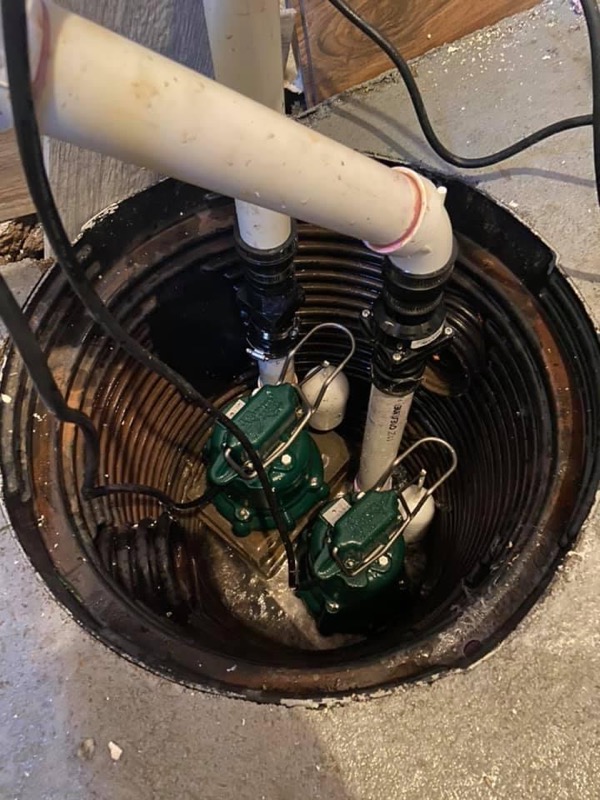
A sump pump is basically the last stop for water collected by a drainage system.
Water flows into the sump basin. When the water reaches a certain level, the pump turns on and sends it away from the house.
A good sump pump is valuable insurance for a home with a history of basement water.
Still, a sump pump isn’t magic.
If the discharge line is blocked, the pump fails, the power goes out, or water is entering faster than the system can handle, problems can still occur.
That’s why homeowners with sump systems should test the pump periodically and know where the discharge water is going.
A battery backup can also provide protection during a power outage, which is particularly useful during severe storms.
Foundation Crack Repair
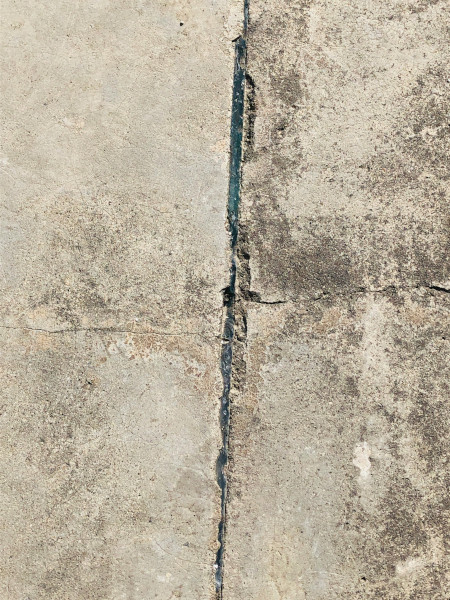
Foundation cracks are another common path for water.
Not every crack means your foundation is in serious trouble. Some cracks are related to normal concrete shrinkage or movement. Others may point to a more significant structural or drainage issue.
The important part is figuring out what you’re looking at.
A crack that stays dry may be very different from one that leaks every time it rains.
Likewise, a small crack that suddenly grows deserves attention.
Depending on the type of crack and the condition of the foundation, repairs may involve injection materials, sealants, or other repair methods.
Simply painting over a leaking crack isn’t a real solution.
The water still has to go somewhere.
Don’t Forget the Gutters and Downspouts
This is one of the first things I’d check when looking at a basement water problem.
Your roof collects a surprising amount of water.
During a heavy rain, all of that water runs into the gutters. If the downspouts dump it right next to your foundation, the soil around the basement can become saturated.
Now you’ve created a problem without ever having a leak in the roof or a major crack in the foundation.
Make sure gutters are clean and downspouts move water away from the house.
Also look at the ground around the foundation.
Proper Grading Helps
The soil around your home should generally slope away from the foundation rather than toward it.
That sounds obvious, but yards settle over time.
A section that once directed water away from the house can eventually develop a low spot where water collects.
You don’t necessarily need a dramatic landscaping project.
Sometimes correcting the grade in the right area can make a noticeable difference.
For larger drainage problems, a French drain, swale, or other drainage system may be needed.
What About Waterproof Paint?
Waterproof paint and concrete sealers have their place.
They can help with certain moisture problems, especially minor dampness or condensation.
They aren’t a cure for every basement leak.
If groundwater is pushing through a foundation wall under pressure, putting a coating on the inside doesn’t remove the water pressure outside the wall.
The coating may eventually blister, peel, or fail.
Think of it this way: paint can cover a symptom, but it doesn’t always solve the source.
Before spending money on coatings, figure out what is causing the moisture.
How Do You Know Which Waterproofing Method You Need?
This is where things get property-specific.
Two houses can have what looks like the same basement water problem and need completely different solutions.
One homeowner may have a clogged gutter and poor grading.
Another may have groundwater coming through a foundation crack.
Someone else may have water coming up through the floor after heavy rain.
The age and construction of the home matter, too. So does the soil around it.
Clay soil, sandy soil, a high water table, sloped property, flat property—each situation changes how water behaves around the foundation.
That’s why guessing from a YouTube video isn’t always a great idea.
A Basement Waterproofing Inspection Can Find the Source
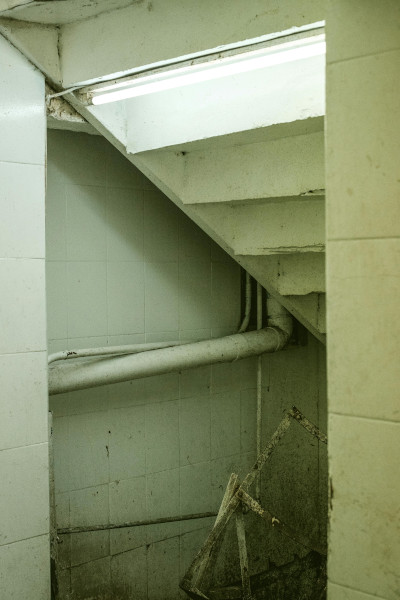
A proper inspection looks beyond the wet spot itself.
The question isn’t simply:
“How do we get this water out?”
It’s:
“Why is the water getting here in the first place?”
That distinction can save a homeowner from spending money on the wrong repair.
An inspection may look at:
- Foundation walls and cracks
- Basement floors
- Gutters and downspouts
- Soil grading
- Drainage around the property
- Sump pump operation
- Signs of hydrostatic pressure
- Efflorescence and other moisture signs
- Previous waterproofing work
Once the source is understood, you can talk about the options that actually fit the house.
Basement Waterproofing in Michigan’s Upper Peninsula
Basement water problems can be especially frustrating in the Upper Peninsula.
Heavy rain, snow, spring thaw, frozen ground, and changing soil conditions all put water management to the test.
A drainage system that worked perfectly for years may start struggling after the ground settles or the property changes.
That’s why basement waterproofing isn’t just about putting a waterproof coating on a wall.
The entire water path matters.
Where does the rain go?
Where does snowmelt go?
Where is the ground lowest?
Where does groundwater collect?
And when water reaches the foundation, where does it go next?
Those questions are much more useful than simply asking which waterproofing product is the strongest.
| Benefits of Advanced Moisture Detection | |
|---|---|
| Accuracy | Identifies hidden moisture sources precisely. |
| Efficiency | Speeds up the diagnostic process. |
| Prevention | Helps prevent future water damage. |
| Cost-Effectiveness | Reduces unnecessary repairs. |
Get the Water Problem Figured Out Before It Gets Worse
A damp basement is easy to ignore when the weather is dry.
Then comes the first big storm.
If you’re seeing water stains, damp walls, standing water, musty smells, or recurring leaks, it makes sense to find the source before the damage spreads.
LeDuc Construction can inspect the situation and explain what is happening around your foundation. From drainage and grading to foundation waterproofing and basement water management, the right solution starts with understanding the problem.
You don’t necessarily need the biggest waterproofing system.
You need the right one for your house.
LeDuc Construction
Serving Michigan’s Upper Peninsula with construction, foundation, drainage, and waterproofing services.
Contact LeDuc Construction for a no-pressure estimate and honest recommendations.
Reach out to LeDuc Construction today for a no-pressure estimate and honest recommendations.
Related Content