Author: adminwebseoguy

  • Basement Sealing Systems

    There’s a vital aspect of home maintenance you should address: basement waterproofing. You protect your home’s foundation and ensure a healthier living environment with specific techniques and materials. These systems prevent water from penetrating your building’s lower levels, safeguarding your investment.

    Fundamentals of Basement Moisture Protection

    Protecting your basement from moisture ensures its structural integrity and longevity. LeDuc Construction understands that the chosen method for waterproofing depends on your geographical location, land topography, and specific soil conditions, such as the presence of clay or sand. Water intrusion causes significant problems like mold growth, wood rot, and compromised foundations, making effective protection important.

    Impact of Climate and Soil Composition

    Considering your local climate and soil composition is paramount. The presence of clay or sand profoundly influences water drainage and the potential for intrusion, directly affecting the waterproofing system LeDuc Construction recommends for your home.

    Evaluating Basement Usage for Storage or Living Space

    Your basement’s intended use dictates the level of moisture protection required. If you plan to use it for storage, basic waterproofing may suffice to prevent issues like mold growth on stored items. Deciding how you will utilize your basement profoundly impacts the waterproofing approach LeDuc Construction will implement. If you envision a finished living space, the waterproofing system must provide a completely dry environment to prevent mold growth, wood rot, and compromised foundations that would undermine your investment. Conversely, if the basement serves primarily as a utility or storage area, a less intensive but still effective system can protect your belongings from water intrusion.

    Interior Sealants and Coatings

    You can tackle minor dampness and condensation with accessible interior methods. Waterproof paints, concrete coatings, and silicate-based sealants applied to your interior walls and floors create a water-resistant barrier. These cost-effective solutions are perfect for DIY projects, offering a practical approach to basement moisture control.

    Application of Silicate-Based and Concrete Coatings

    Applying these sealants and coatings is generally straightforward. You can easily spread silicate-based sealants and concrete coatings onto interior walls and floors. This process forms a protective layer, effectively combating minor dampness and condensation, making it ideal for the homeowner.

    Limitations Regarding Significant Water Intrusion

    Despite their benefits, these interior sealants have limitations. They are designed for minor dampness and condensation, not significant water intrusion. You should not rely on them for severe leaks or hydrostatic pressure issues. You must understand that while waterproof paints, concrete coatings, and silicate-based sealants effectively manage minor moisture, they are not a substitute for addressing structural issues or significant water entry points. If your basement experiences pooling water, cracks with active leaks, or persistent high humidity despite these applications, a more comprehensive external waterproofing system or professional intervention from LeDuc Construction will likely be necessary to prevent further damage and ensure a dry, healthy basement environment.

    Exterior Waterproofing Systems

    You might consider exterior waterproofing systems for a comprehensive, long-term solution. This involves excavating around your house to expose foundation walls. LeDuc Construction specializes in applying waterproof coatings and protective membranes, often installing exterior weeping tiles for optimal drainage.

    Structural Excavation and Membrane Installation

    Excavating around your home exposes the foundation walls. LeDuc Construction then applies waterproof coatings and protective membranes. This process creates a barrier against moisture, helping to keep your basement dry for years to come.

    “Eric and crew put in a waterproofing system for us in our basement and spring of 2026 was sure the year to test it. Boy did it work…

    With all of the flooding throughout Delta & Menominee county, our basement was not one of them. Not a drop of water in our basement.

    In addition to the basement water proofing system, Eric and crew installed rigid foam insulation on all exterior walls, installed 2 egress windows and even encapsulated our crawlspace.
    Everything they did was excellent and they cleaned up very well after the job concluded.

    His crew was exceptional and always in good spirits. They arrived on time, worked a full 8 hours and were back again the next day with the same great attitude.

    I would highly recommend LeDuc Construction for your next project!” – Link to Review

    Professional Implementation and Landscaping Considerations

    Installing exterior weeping tiles is often part of this solution. LeDuc Construction ensures proper grading and backfilling. You will find your property’s aesthetics are maintained, or even improved, after the work is complete. Professional implementation by LeDuc Construction ensures the exterior waterproofing system is installed correctly, providing lasting protection for your home. You will appreciate the attention to detail in the application of waterproof coatings and protective membranes. This comprehensive approach also considers the final appearance of your property, with careful backfilling and landscaping integration to minimize disruption and enhance curb appeal.

    Integrated Drainage Solutions

    Preventing water intrusion requires effective systems that channel water away from your foundation, stopping accumulation and hydrostatic pressure. Key components like French drains, sump pumps, and gutter systems work together to collect and direct water away from your basement area, a specialty of LeDuc Construction.

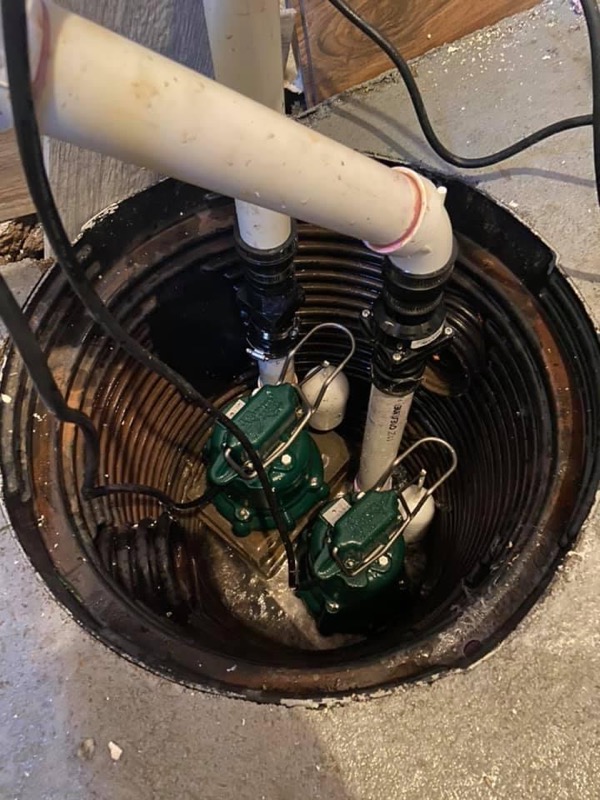
    Sump Pump and French Drain Mechanics

    French drains, combined with sump pumps, are crucial for basement waterproofing. These systems effectively collect water that accumulates around your foundation and direct it into a sump basin, where the sump pump then expels it safely away from your home.

    Managing Water Pressure and Accumulation

    Water accumulation around your foundation leads to hydrostatic pressure, which can force water through cracks and even uncompromised walls. Effective drainage solutions are your best defense against this damaging force. LeDuc Construction understands the critical role of managing water pressure and accumulation. These integrated drainage solutions, including French drains, sump pumps, and well-maintained gutter systems, are designed to proactively collect and direct water away from your basement. By doing so, they prevent water from building up against your foundation, thereby eliminating the hydrostatic pressure that can lead to significant water damage and costly repairs.

    Maintenance and System Longevity

    Keeping your basement sealing system effective requires consistent attention. You depend on regular cleaning of gutters, checking sump pump operation, and inspecting drainage paths. Neglect can lead to blockages or system failures, but professional 20-point inspections help identify risks before they become major problems, ensuring your system protects your home for years.

    Routine Gutter and Pump Maintenance

    Protecting your basement begins with routine maintenance. You must regularly clean gutters and check your sump pump’s operation. Inspecting drainage paths ensures water flows away from your foundation, preventing potential system overloads or failures.

    Identifying Blockages and Failure Points

    Neglect of your system can lead to serious issues. You risk blockages or system failures if you do not consistently inspect your drainage paths. Professional 20-point inspections from LeDuc Construction help identify these risks before they become major problems, providing peace of mind. Regularly inspecting your basement sealing system is paramount for its long-term performance. You should look for any signs of obstruction in your drainage paths, as even small blockages can significantly reduce the system’s effectiveness. Pay close attention to your sump pump, ensuring it activates and drains properly, as a malfunctioning pump is a common cause of basement water issues. LeDuc Construction’s professional 20-point inspections offer a comprehensive assessment, identifying potential failure points and addressing them proactively to prevent costly repairs down the line.

    Basement Sealing Systems

    Selecting the Appropriate Waterproofing Strategy

    You need to consider several factors when deciding on the best basement sealing system for your home. New homes in wet climates, for example, often require combined exterior and drainage solutions to prevent water intrusion. Older homes, however, with minor issues, may find interior sealants sufficient. Your decisions should always be based on the severity of the water problem, your budget constraints, and the unique structure of your home.

    Comparing Cost-Effectiveness and Robustness

    You can choose between various waterproofing strategies, each offering different levels of protection and cost. Decisions should factor in long-term durability against initial investment. Consider your home’s specific needs and the potential for future water issues.

    Waterproofing Strategy Comparison
    Exterior & Drainage SolutionsTypically, more robust and cost-effective for new homes in wet climates, offering comprehensive protection.
    Interior SealantsA more budget-friendly option for older homes with minor issues, addressing localized leaks.

    Customizing Solutions for Unique Home Circumstances

    Your home’s specific characteristics will dictate the most effective waterproofing approach. LeDuc Construction understands that no two basements are exactly alike, requiring tailored strategies for optimal results. You should consider your home’s age, construction materials, and surrounding environment.

    You should recognize that a one-size-fits-all approach rarely works for basement waterproofing. LeDuc Construction prioritizes a thorough assessment of your property to identify the root cause of any moisture issues. This detailed evaluation allows us to recommend a customized solution, whether it involves extensive exterior excavation and drainage for a new home in a perpetually damp area or a simpler interior sealant application for an older property experiencing only occasional, minor dampness. Your budget also plays a significant role in determining the most practical and effective strategy.

    Final Words

    To wrap up, professional waterproofing is the most effective way to keep your crawl spaces and basements dry. You need expert recommendations and inspections to ensure your home is uniquely protected against the long-term risks of water damage. This proactive approach safeguards your property and provides lasting peace of mind.
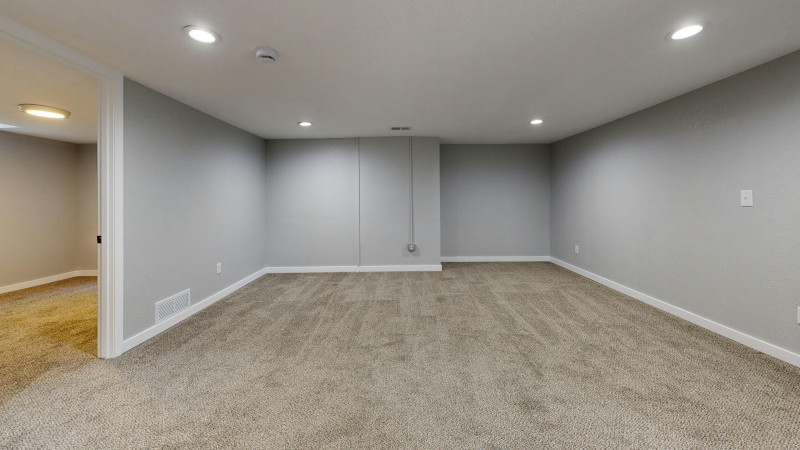
    Reach out to LeDuc Construction today for a no-pressure estimate and honest recommendations.

    Related Content
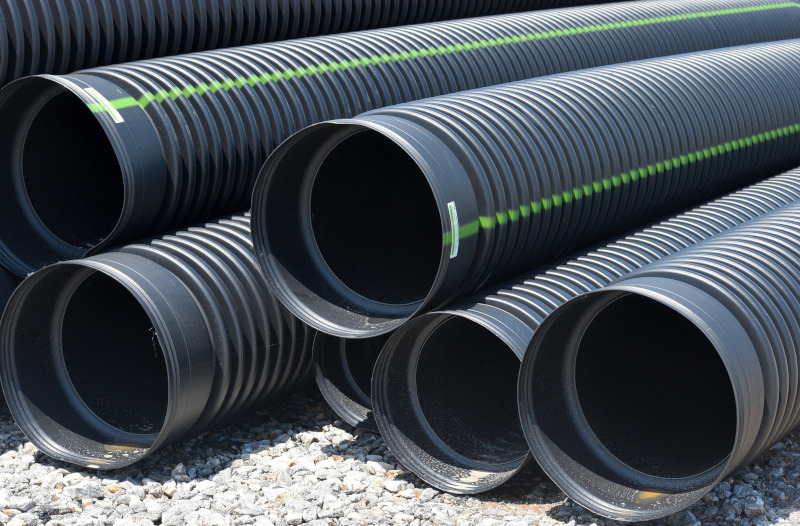
    • Underground Drainage System

      Over 60 percent of homeowners face water problems in their yards. You need a permanent, long-term solution for soggy areas. This in-ground system, rated for beginners, takes multiple days to complete. Basic materials cost between $101 and $250, or approximately $400 with delivered crushed rock, offering an effective resolution to your drainage issues. Labor charges are extra.

      Site Assessment and Preparation

      Identifying Drainage Patterns and Water Sources

      You must first identify water sources like yard depressions, slopes approaching your house, or excess roof water near the foundation. Understanding these problem areas is key to designing an effective underground drainage system for your property.

      Utility Coordination and Routing Logistics

      Before any digging begins, you must call 811 or local utilities to locate buried electrical, gas, and communication lines. If you have LeDuc Construction do the job, they take care of this for you. This critical step prevents costly damage and ensures the safety of everyone involved in the project.

      Your next step involves determining your soil composition, which directly impacts the tools and methods LeDuc Construction will employ. If your soil is clay-based and rocky, a chisel-point bar becomes imperative for excavation. Conversely, ideal sand conditions simplify the digging process. Properly identifying these factors, along with coordinating with 811 to mark all underground electrical, gas, and communication lines, allows us to plan the most efficient and safest routing for your new drainage system.

      Dry Well Components and Assembly

      The system utilizes a 30-gallon capacity dry well, functioning as a holding tank for water to percolate slowly into the surrounding soil. You can stack or install this unit under driveways, owing to its high structural strength. Assembly requires scoring and knocking out side ports with a utility knife and hammer, then securing the top with 2-inch stainless steel screws.

      Structural Specifications and Load-Bearing Capacity

      You will find the 30-gallon capacity dry well boasts high structural strength. This allows for installation even under driveways or for stacking multiple units. Its design ensures a durable and reliable underground drainage solution.

      Port Preparation and Housing Assembly

      Preparation involves scoring and knocking out the side ports with a utility knife and hammer. You then secure the top of the unit using 2-inch stainless steel screws. This simple process completes the dry well assembly.

      You begin the assembly by precisely scoring the designated side ports on the dry well. A utility knife is effective for this initial step. Next, use a hammer to carefully knock out the scored sections, creating the necessary openings for water ingress. Once the ports are prepared, position the top of the unit. Finally, secure the top firmly in place using 2-inch stainless steel screws, ensuring a stable and sealed housing for the dry well.

      Excavation and Slope Management

      Trenching Depth and Grade Verification

      You must dig a hole deep enough for the dry well and an adjoining trench that slopes downhill. The trench needs a minimum slope of 1/8 inch per foot, or 1/2 inch every 4 feet, for proper gravity flow. Use a line level, stakes, and a tape measure to verify water escape routes.

      Managing Difficult Soil and Obstructions

      You will encounter various soil conditions and potential obstructions during excavation. For instance, rocky soil or tree roots can complicate digging and require specialized tools. Planning for these challenges saves time and prevents damage to your system.

      Planning for unexpected obstacles during excavation is wise. You may find large rocks, tree roots, or even existing utility lines in your trench path. LeDuc Construction recommends having a plan for these scenarios, which might include renting a jackhammer for stubborn rocks or carefully rerouting your trench to avoid major roots or pipes. Always verify water escape routes and ensure you avoid draining toward neighboring structures when making adjustments.

      Drainage Tubing and Filtration

      You will use 4-inch tubing for your drainage system, choosing between perforated for water drainage along the run or unperforated for simple water transport. Tubing comes in convenient 10-foot lengths or larger 50-foot rolls, and various fittings simplify connections for LeDuc Construction projects.

      Selection of Perforated vs. Unperforated Pipe

      Your choice between 4-inch perforated tubing, designed to drain water along its path, or unperforated tubing, for direct water transport, depends on your specific drainage needs. Each type serves a distinct purpose in managing water flow.

      Filtration Socks and Silt-Blocking Fabric Application

      A rot-resistant fabric sock sleeve is necessary for perforated tubes. You slide this sleeve over the tubing to effectively filter out soil particles, preventing clogging and ensuring long-term system efficiency.

      Protecting your perforated drainage system from soil intrusion is a key step in its installation. The rot-resistant fabric sock sleeve provides a critical barrier. You simply slide this sleeve over the 4-inch perforated tubing, and it acts as a filter, preventing fine soil particles from entering and clogging the drainage holes. This simple yet effective measure extends the lifespan of your system and maintains optimal water flow.

      System Integration and Final Installation

      Connecting your downspouts to the main drainage line is the next step for LeDuc Construction projects. Use Y-fittings to efficiently redirect roof water, ensuring a comprehensive system. A drain cover at the exit point prevents animal entry, and a rock bed stops erosion.

      “Eric did amazing work when our basement flooded. He fixed all the damage quickly. He also installed drain tile in our basement, updated our sump pump, and upgraded our half bath to a full bath. Everything was done to very high quality. Later on, he replaced rotten boards in my deck. Would highly recommend to anyone that needs anything done!” – Link to Review

      Downspout Integration and Fitting Connections

      You will connect your downspouts using Y-fittings. This redirects roof water effectively into the main drainage line. This ensures optimal water flow and system efficiency.

      Multi-Layer Backfilling and Surface Restoration

      The trench requires 3 inches of crushed rock at the bottom. Next, apply 3 inches of gravel over the tube. A layer of filter fabric is then placed before backfilling with 6 inches of soil. Completing the backfilling process correctly is imperative for the longevity and performance of your LeDuc Construction drainage system. After the initial 3 inches of crushed rock and 3 inches of gravel, the filter fabric creates a barrier, preventing soil from clogging the drainage tube. Finally, the 6 inches of soil restore the surface, allowing for planting or other desired ground cover while maintaining proper drainage.

      To wrap up

      As a reminder, installing an underground drainage system ensures you won’t deal with drainage issues again, providing a dry yard and a protected foundation. You will haul away excess dirt while retaining enough to tamp the soil to the surrounding grade. A professional and a sump pump may be necessary for rare issues like a low water table.

      Reach out to LeDuc Construction today for a no-pressure estimate and honest recommendations.

      Related Content
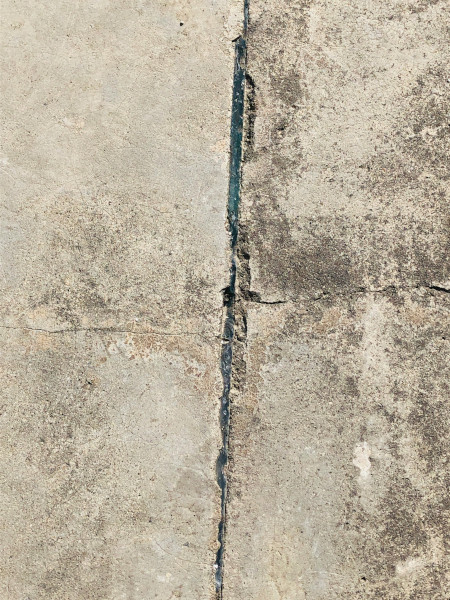
      • Foundation Waterproofing

        You can protect your home’s foundation from water damage with proper waterproofing. LeDuc Construction understands the science behind keeping basements dry. This guide provides reliable methods and expert advice to ensure your foundation remains secure and watertight for years to come.

        Essential Types of Waterproofing Solutions

        Protecting your foundation from water damage requires understanding the various waterproofing methods available. You have several effective options to consider, each with unique benefits for different situations. Assume that selecting the right solution depends on your specific foundation type and existing water issues.

        Solution TypeDescription
        External Membrane SystemsApplied to the exterior, these create a barrier against water intrusion.
        Internal Drainage SystemsThese manage water that has already entered, directing it away.
        Sump PumpsThese mechanical devices remove collected water from basements.
        Water-Repellent CoatingsThese surface treatments repel moisture from foundation walls.
        Crack InjectionFills and seals foundation cracks to prevent water entry.

        External Membrane Systems

        Applying a protective layer to your foundation’s exterior creates an impenetrable barrier against moisture. This system directly prevents water from ever reaching your concrete, keeping it dry and damage-free. You will find this solution highly effective for new constructions or accessible foundations.

        Internal Drainage and Sump Pumps

        Water entering your basement is managed effectively with internal drainage systems. These solutions collect any infiltrating water and direct it to a sump pump. You can rely on this combined approach to keep your basement dry by actively removing water before it causes damage. When water does breach your foundation, an internal drainage system becomes your primary line of defense. This system typically involves a perforated pipe installed around the interior perimeter of your basement, often beneath the floor. Water that seeps through the foundation walls or up from the ground is collected by this pipe. The collected water then flows to a sump pit, where a sump pump is installed. The sump pump automatically activates when water levels rise, pumping the water out of your basement and away from your home’s foundation. You gain peace of mind knowing that even if water penetrates, it will be efficiently removed.

        Critical Factors Influencing Method Selection

        Choosing the correct foundation waterproofing method requires careful consideration of several key elements. You must assess site-specific conditions to ensure long-term protection against water intrusion. This involves evaluating factors unique to your property. * Site-specific conditions * Long-term protection * Water intrusion prevention

        Soil Composition and Water Table Levels

        Understanding your soil’s characteristics is paramount. Clay soils drain differently from sandy soils, impacting water movement around your foundation. High water tables demand more aggressive waterproofing solutions. This knowledge guides your material and application choices.

        Foundation Material and Structural Age

        The type of material your foundation is made from directly influences waterproofing options. Older foundations, often constructed with stone or unreinforced concrete, present different challenges than modern poured concrete. Their age also dictates the extent of repair needed before waterproofing. You must consider the specific material your foundation is built from, whether it’s poured concrete, concrete block, stone, or brick. Each material possesses unique porosity and susceptibility to water penetration. Older foundations, for example, may exhibit more cracks, settling, or deterioration, requiring extensive repair and preparation before any waterproofing system can be effectively applied. Newer foundations might benefit from preventative measures during construction, while older structures often need comprehensive exterior or interior drainage and sealing solutions. This assessment helps determine the most effective and durable waterproofing strategy.

        Pros and Cons of Common Approaches

        You will find a variety of foundation waterproofing methods available, each with distinct advantages and disadvantages. Understanding these differences helps you make an informed decision about the best protection for your home. Consider the specifics of your property and long-term goals when evaluating options.

        ProsCons
        Excellent water barrier.Higher initial cost.
        Protects against hydrostatic pressure.Requires excavation.
        Increases property value.Can be time-consuming.
        Prevents mold and mildew.Disrupts landscaping.
        Reduces humidity indoors.Requires professional installation.

        Long-term Durability vs. Initial Cost

        Many homeowners weigh the immediate expense against lasting protection. While some methods offer lower upfront costs, they might require more frequent maintenance or have a shorter lifespan. Investing in a durable solution often saves money and stress over time.

        Installation Complexity and Property Disruption

        The extent of work involved varies significantly between methods. Some solutions require extensive excavation, while others can be applied with minimal disturbance to your yard. Consider your tolerance for disruption and the accessibility of your foundation. Some waterproofing methods, like exterior membrane application, demand significant excavation around your home’s foundation. This process involves digging trenches, which can disrupt landscaping, patios, and driveways. Expect temporary inconvenience and potential costs for restoring your outdoor spaces. Interior drainage systems, conversely, involve less exterior disruption but require work inside your basement or crawl space.

        “Eric and crew put in a waterproofing system for us in our basement and spring of 2026 was sure the year to test it. Boy did it work…

        With all of the flooding throughout Delta & Menominee county, our basement was not one of them. Not a drop of water in our basement.

        In addition to the basement water proofing system, Eric and crew installed rigid foam insulation on all exterior walls, installed 2 egress windows and even encapsulated our crawlspace.
        Everything they did was excellent and they cleaned up very well after the job concluded.

        His crew was exceptional and always in good spirits. They arrived on time, worked a full 8 hours and were back again the next day with the same great attitude.

        I would highly recommend LeDuc Construction for your next project!” – Link to Review

        Step-by-Step Implementation Process

        Building a waterproof foundation requires a meticulous approach, ensuring each stage contributes to a dry, protected basement. You must follow a precise sequence of actions to achieve lasting results. Understanding each phase of the process will help you appreciate the expertise LeDuc Construction brings to every project.

        Foundation Waterproofing Stages
        Stage 1Surface Preparation and Crack Injection
        Stage 2Applying Barrier Layers and Drainage Boards
        Stage 3Backfilling and Final Grading

        Surface Preparation and Crack Injection

        Your foundation needs a clean, stable surface before applying any waterproofing materials. You will remove all dirt, debris, and loose concrete. Any existing cracks or penetrations receive a specialized injection, sealing them completely and preventing future water intrusion.

        Applying Barrier Layers and Drainage Boards

        Applying the primary waterproofing membrane directly to the prepared foundation wall forms a continuous, impermeable seal. This critical layer prevents water from reaching your basement. Drainage boards then go over this membrane, creating a pathway for water to flow down to the perimeter drainage system. These drainage boards are a significant component of your waterproofing system, as they relieve hydrostatic pressure against the foundation wall. They act as a protective layer for the delicate waterproofing membrane, guarding it against damage during backfilling. You will find that these boards ensure water is directed efficiently away from your home’s foundation, reducing the risk of moisture accumulation.

        Expert Maintenance and Prevention Tips

        Protecting your foundation from water damage requires proactive measures and regular attention. You can significantly extend the lifespan of your waterproofing systems by implementing these tips. Recognizing early signs of wear or potential issues allows for timely intervention, preventing minor problems from escalating into costly repairs.

        • Inspect your foundation regularly for cracks or signs of moisture.
        • Clean gutters and downspouts frequently.
        • Ensure proper grading around your home.

        Managing Gutters and Downspout Extensions

        Effective water management begins at your roofline. Directing rainwater away from your foundation is paramount. You should regularly clear gutters of debris and ensure downspout extensions discharge water at least five feet from your home, preventing pooling near the base.

        Grading and Landscaping for Water Diversion

        The ground immediately surrounding your home plays a significant role in water diversion. You need to create a positive slope away from your foundation. This directs rainwater and snowmelt away from your basement walls, preventing saturation and hydrostatic pressure buildup.

        Proper grading involves ensuring the soil around your home slopes downwards at a minimum of 6 inches for the first 10 feet. You can achieve this through strategic landscaping, utilizing soil, mulch, or even permeable pavers to guide water away. Consider installing French drains or swales in areas with persistent pooling to further channel water effectively. You should also select plants and shrubs that do not require excessive watering near the foundation, minimizing soil saturation. Implementing these methods creates a natural barrier against water intrusion, complementing your foundation waterproofing efforts.

        Summing up

        To wrap up, you understand that foundation waterproofing protects your property investment. You select the right system-whether exterior membranes or interior drainage-to prevent water intrusion. Proper installation by LeDuc Construction ensures the longevity and structural integrity of your building, keeping basements dry and secure.

        Reach out to LeDuc Construction today for a no-pressure estimate and honest recommendations.

        Related Content
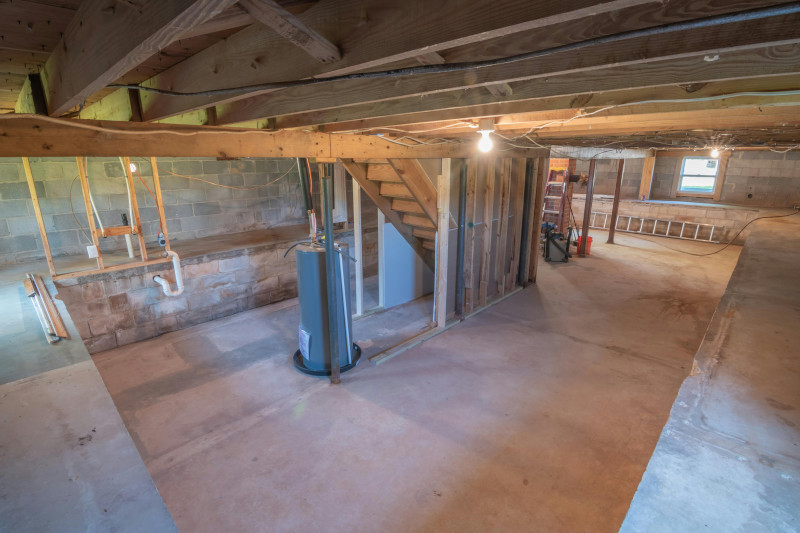
        • Fixing Foundation Cracks

          Foundation cracks often appear during a new home’s first year, frequently near windows, corners, or along long spans. You must understand that while some cracks are harmless, others indicate structural concerns or water intrusion. This guide from LeDuc Construction helps you identify and address these issues, ensuring your home’s long-term stability.

          Environmental Factors Influencing Foundation Damage

          Understanding the external forces acting on your foundation is necessary. Poor grading and drainage allow water to collect near the foundation, increasing pressure, a common problem LeDuc Construction addresses. Homes built on clay-rich soils are particularly susceptible to stress as the ground expands and contracts significantly with moisture changes. The fluctuating moisture levels put immense strain on your home’s structural integrity.

          “Eric did amazing work when our basement flooded. He fixed all the damage quickly. He also installed drain tile in our basement, updated our sump pump, and upgraded our half bath to a full bath. Everything was done to very high quality. Later on, he replaced rotten boards in my deck. Would highly recommend to anyone that needs anything done!” – Link to Review

          • Poor grading and drainage allow water to collect near the foundation.
          • Water collection increases pressure on your foundation.
          • Homes on clay-rich soils are more susceptible to stress.
          • Clay soils expand and contract significantly with moisture changes.

          Soil Composition and Moisture Expansion

          Your home’s foundation is constantly interacting with the soil beneath it. Homes built on clay-rich soils are particularly susceptible to stress as the ground expands and contracts significantly with moisture changes. This natural phenomenon can exert immense pressure on your foundation.

          Drainage and Grading Requirements

          Protecting your foundation begins with proper water management. Poor grading and drainage allow water to collect near the foundation, increasing pressure. Addressing these issues early can prevent more significant damage to your home. Properly managing water around your home is a critical defense against foundation damage. Poor grading allows rainwater and snowmelt to pool directly against your foundation walls, saturating the soil and increasing hydrostatic pressure. LeDuc Construction frequently observes how inadequate drainage systems, such as clogged gutters or downspouts that discharge too close to the house, contribute to this problem. Ensuring your yard slopes away from your foundation at a minimum of six inches over the first ten feet is a standard recommendation to guide water away effectively.

          Step-by-Step Professional Repair Methods

          You have several professional options to consider for addressing foundation cracks. LeDuc Construction employs advanced techniques to ensure lasting repairs, whether you are dealing with minor fissures or significant structural shifts. These methods are designed not only to seal existing damage but also to reinforce your foundation against future problems.

          Repair MethodApplication
          Epoxy InjectionSealing and reinforcing cracks, restoring concrete strength
          Polyurethane Foam LiftingAddressing severe stability issues and restoring structural integrity

          Epoxy Injection for Structural Reinforcement

          Addressing cracks with professional-grade epoxy injections seals and reinforces the concrete. This process restores your foundation to its original strength, preventing further deterioration. LeDuc Construction utilizes this proven method for reliable crack repair.

          Polyurethane Foam Lifting for Foundation Stability

          For more severe stability issues, foundation lifting using polyurethane foam provides a proven method. This technique restores structural integrity to your home. It’s a precise solution for significant foundation movement. This innovative method involves injecting specialized polyurethane foam beneath the compromised areas of your foundation. The foam expands, filling voids and gently lifting the structure back to its correct position. You will find that this process effectively stabilizes your foundation, ensuring long-term structural soundness.

          Pros and Cons of DIY vs. Professional Solutions

          Choosing between tackling foundation crack repairs yourself and hiring experts like LeDuc Construction involves weighing several factors. Your decision can significantly impact the long-term stability and integrity of your home’s foundation. Consider the effectiveness and durability of each approach before proceeding.

          DIY Solutions (Hydraulic Cement)Professional Solutions (Epoxy)
          Common DIY mistake.Durable, professional-grade repair.
          Involves chiseling a V-groove.Creates a strong, lasting bond.
          Patch bonds poorly.As strong as the original pour.
          Often reopens.Seals against air.
          Vulnerable to temperature shifts.Seals against water.
           Seals against chemicals.

          Limitations of Hydraulic Cement Patches

          Chiseling a V-groove and filling it with hydraulic cement, a common DIY mistake, often leads to disappointment. The patch bonds poorly to the existing concrete and frequently reopens, particularly due to temperature shifts. This method rarely provides a lasting solution for foundation cracks.

          Benefits of Professional Grade Sealing

          Professional epoxy creates a durable seal against air, water, and chemicals. This advanced solution offers a repair that is as strong as the original pour, providing superior protection. You gain peace of mind knowing your foundation is properly sealed. Professional epoxy applications, as offered by LeDuc Construction, provide a superior solution for foundation cracks. This method ensures a durable seal against not only air and water infiltration but also various chemicals. The resulting repair is exceptionally strong, achieving a bond that matches the original concrete pour, guaranteeing long-term stability for your home.

          Determining if a Foundation is Beyond Repair

          You might worry your foundation is a lost cause, but LeDuc Construction assures us that foundations are rarely beyond repair. Only complete collapse or restoration costs exceeding your home’s value typically warrant full replacement. Watch for key warning signs indicating potential issues.

          Structural Red Flags and Warning Signs

          Observe your home for concerning indicators. Bulging walls after heavy rain, sticking doors, sloping floors, and gaps between walls and ceilings are all critical warning signs you should address promptly.

          Replacement vs. Restoration Criteria

          Your foundation’s fate usually hinges on two factors. A foundation is generally considered beyond repair only if it has completely collapsed or if the cost to restore it surpasses your home’s total value. Understanding the difference between replacement and restoration is key for homeowners. LeDuc Construction emphasizes that most foundation problems can be fixed through restoration, a less invasive and often more cost-effective solution. Only in extreme cases, like a complete collapse or when the repair expenses would exceed the property’s market value, would LeDuc Construction recommend a full foundation replacement. This distinction helps you make informed decisions about your home’s structural integrity.

          Summing Up

          Presently, you can resolve most foundation issues with long-lasting solutions. Identifying the specific crack type and seeking a professional inspection is your first step toward maintaining a strong, stable, and crack-free home.

          Reach out to LeDuc Construction today for a no-pressure estimate and honest recommendations.

          Related Content
          • French Drain Installations

            It’s time to protect your property from water damage. You can effectively manage excess groundwater with a professionally installed French drain system. This system redirects water away from your foundation, preventing costly issues. Trust LeDuc Construction to provide expert solutions for your drainage needs.

            Principles of Hydrostatic Pressure and Drainage

            Understanding hydrostatic pressure proves imperative for effective French drain installations. Water naturally seeks the path of least resistance, and pressure builds in saturated soil, pushing water against foundations or upward into basements. You are harnessing this natural force to direct water away from your property.

            Identifying Subsurface Water Saturation

            Observing persistent puddles or consistently damp areas indicates subsurface water saturation. You might also notice mold or mildew growth in basements, signaling water intrusion from below ground.

            Surface Runoff vs. Groundwater Management

            Managing surface runoff involves redirecting rainwater flowing across the ground. Groundwater management, conversely, addresses water beneath the surface that saturates the soil. You must differentiate between managing surface runoff and groundwater because each requires distinct drainage solutions. Surface runoff can often be managed with grading and simple swales, while groundwater necessitates a more intrusive system like a French drain to collect and divert water from saturated soil layers. Ignoring subsurface water can lead to significant structural damage over time, even if surface water appears to be handled.

            Site Assessment and Engineering Design

            Before any digging begins, our team conducts a thorough site assessment. You will receive a detailed plan outlining the optimal placement and design for your French drain system, ensuring effective water diversion and long-term performance.

            Calculating Slope and Gravity-Fed Discharge

            Our engineers carefully measure the existing grade to determine the necessary slope. This ensures your French drain relies on gravity for efficient water flow, directing excess moisture away from your property without the need for pumps.

            Identifying Utility Lines and Discharge Points

            Locating underground utilities is a primary concern during the planning phase. We will identify all utility lines and pinpoint appropriate discharge points to safely and effectively release collected water.

            You need to know where your underground utilities lie before any excavation. Our team uses specialized equipment and works with local utility companies to accurately map out all buried lines, including water, gas, and electrical. Selecting the right discharge point is equally important; we ensure water is directed to a safe and appropriate area, preventing erosion or flooding in other parts of your property or your neighbors’.

            “Eric and crew put in a waterproofing system for us in our basement and spring of 2026 was sure the year to test it. Boy did it work…

            With all of the flooding throughout Delta & Menominee county, our basement was not one of them. Not a drop of water in our basement.

            In addition to the basement water proofing system, Eric and crew installed rigid foam insulation on all exterior walls, installed 2 egress windows and even encapsulated our crawlspace.
            Everything they did was excellent and they cleaned up very well after the job concluded.

            His crew was exceptional and always in good spirits. They arrived on time, worked a full 8 hours and were back again the next day with the same great attitude.

            I would highly recommend LeDuc Construction for your next project!” – Link to Review

            Step-by-Step Installation Procedures

            This section outlines the precise steps for installing your French drain, ensuring optimal performance and longevity. Following these instructions carefully guarantees an effective water management solution for your property.

            French Drain Installation Steps
            Phase 1Trench Excavation and Bedding Preparation
            Phase 2Pipe Placement and Backfilling

            Trench Excavation and Bedding Preparation

            You will accurately mark the trench path, considering the appropriate slope for gravity drainage. Digging the trench to the specified depth and width is next. Then, you will line the excavated trench with permeable filter fabric, extending it up the sides, and lay a layer of washed gravel at the bottom.

            Proper Pipe Orientation and Backfilling Techniques

            You will position the perforated drainpipe with the holes facing downwards, ensuring efficient water collection. Covering the pipe with another layer of washed gravel, approximately 6-8 inches deep, is the next step. Then, you will fold the filter fabric over the gravel and finally, backfill the trench with the excavated soil, compacting it gently. Positioning the perforated drainpipe correctly is imperative for the system’s effectiveness. The perforations must face the ground to allow groundwater to enter the pipe efficiently. After placing the pipe, you will carefully add the specified amount of washed gravel, creating a permeable layer around the pipe that filters debris and allows water to flow freely. Folding the filter fabric over the gravel prevents soil migration into the drainage system. Finally, you will backfill the trench with the removed soil, ensuring proper compaction to prevent settling and maintain the desired aesthetic of your property.

            Common Installation Pitfalls to Avoid

            Even with the best intentions, mistakes can happen during French drain installations. You want your system to perform optimally for years, so understanding potential missteps beforehand will save you time, money, and frustration. Avoiding these common errors ensures your drainage solution is effective and durable.

            Inadequate Slope and Pitch Calculations

            Calculating the correct slope for your French drain is paramount. An insufficient pitch means water won’t flow effectively, leading to standing water within the trench and a failed drainage system. You must ensure a consistent gradient for proper water movement.

            Neglecting Silt Protection and Filtration

            Skipping adequate silt protection condemns your French drain to premature failure. Without proper filtration, fine soil particles will infiltrate your drainage system, clogging the perforations and rendering it useless over time. You should always prioritize this protective measure. Your French drain’s longevity hinges on effective silt protection. Fine sediment, clay, and other debris from the surrounding soil will inevitably migrate into the trench. Without a robust filter fabric or sock around the perforated pipe, these particles will accumulate, blocking the pipe’s holes and preventing water from entering. This accumulation drastically reduces the system’s efficiency and lifespan, requiring costly repairs or even complete reinstallation. Investing in quality filtration materials during the initial setup is a wise decision, protecting your investment and ensuring continuous, effective drainage.

            Long-term Maintenance and System Longevity

            Ensuring your French drain system continues to perform optimally for years requires a proactive approach to maintenance. You will protect your investment and maintain a dry property by understanding and implementing a few simple care routines. A well-maintained French drain effectively manages water, preventing costly damage.

            Inspection Port Access and Cleaning

            Regularly check your system’s inspection ports for any debris accumulation. You can clear minor blockages with a plumbing snake or a strong stream of water, keeping your system free-flowing. Clear access to these points simplifies future maintenance tasks.

            Monitoring Performance During Heavy Precipitation

            Observe how your French drain handles significant rainfall events. You want to see water efficiently directed away from your foundation and landscaping. This visual check confirms the system is working as intended. You can learn a lot by watching your French drain during a downpour. Look for areas where water might be pooling or if the drain seems overwhelmed. If you notice any issues, such as slow drainage or water backing up, it could indicate a partial blockage or a need for a professional assessment. Your observations are key to catching small problems before they become major concerns.

            To wrap up

            Taking this into account, a properly installed French drain protects your property from water damage. You achieve effective water diversion and prevent costly foundation issues. You are investing in the long-term health and stability of your home. LeDuc Construction ensures your French drain installation meets the highest standards, giving you peace of mind.

            Reach out to LeDuc Construction today for a no-pressure estimate and honest recommendations.

            Related Content
            • Basement Waterproofing: How to Keep Water Out of Your Home

              A wet basement rarely starts with a dramatic flood.

              Sometimes it’s a damp spot on the wall after a heavy rain. Maybe there’s a musty smell you can’t quite get rid of. You might notice white powdery marks on the concrete or find a small puddle near a crack.

              Then spring arrives.

              Snow melts. The ground gets saturated. A few inches of rain fall over the weekend, and suddenly that little moisture problem isn’t so little anymore.

              Basement waterproofing starts with figuring out where the water is coming from. The right solution depends on the foundation, the soil around your home, drainage, and how much water you’re dealing with.

              LeDuc Construction works with homeowners throughout Michigan’s Upper Peninsula to find the source of basement water problems and determine what needs to be done.

              Sometimes the fix is fairly simple.

              Other times, the water is telling you there’s a bigger drainage or foundation problem.

              Why Is Water Getting Into My Basement?

              Water can find its way into a basement through several paths.

              It may seep through foundation cracks. Groundwater can push against basement walls. Poor grading can send rainwater toward the house instead of away from it. A clogged gutter or short downspout can dump gallons of water right beside the foundation.

              Even a small problem can become a bigger one when the ground stays wet for days.

              Common signs of basement water include:

              • Damp or wet foundation walls
              • Standing water on the basement floor
              • White, chalky deposits called efflorescence
              • Musty odors
              • Peeling paint or damaged wall coverings
              • Cracks that leak after rain
              • Water around floor drains or pipe penetrations
              • Mold or mildew
              • A sump pump that runs constantly

              If you see one of these problems, don’t automatically assume you need the most expensive waterproofing system available.

              First, find out where the water is coming from.

              Exterior Basement Waterproofing

              Exterior waterproofing attacks the problem from the outside of the foundation.

              The idea is pretty straightforward: keep water from reaching the basement wall in the first place.

              Depending on the property, exterior waterproofing can involve excavating around the foundation, cleaning and repairing the wall, applying a waterproof membrane, installing drainage material, and improving the way water moves away from the house.

              It is more work than painting something on the inside of a basement wall. There is no getting around that.

              You may have to move soil, landscaping, patios, or other materials around the foundation to reach the wall.

              For a home with serious water intrusion, though, getting to the outside of the foundation can address the source instead of simply managing the water after it gets inside.

              Waterproofing Membranes

              A waterproofing membrane creates a barrier between the foundation wall and the surrounding soil.

              The membrane needs to cover the appropriate areas of the foundation and be installed according to the manufacturer’s requirements. Gaps, poor adhesion, damaged sections, or improperly prepared concrete can create weak spots.

              That’s why preparation matters.

              A waterproofing product is only part of the system. The condition of the foundation and the drainage around it matter, too.

              Exterior Drainage

              Water needs somewhere to go.

              An exterior drainage system can collect groundwater around the foundation and direct it away from the house.

              A typical system may include a perforated drainage pipe surrounded by gravel. Water enters the drainage system and moves toward a suitable discharge point.

              In the right situation, this can reduce the amount of water pressing against the foundation.

              That pressure is often called hydrostatic pressure. In plain English, it’s the pressure created by water sitting against or underneath your foundation.

              French Drains and Basement Drainage

              The term “French drain” gets used for several different drainage systems, so it can be confusing.

              In general, a French drain uses a trench, drainage material, and perforated pipe to collect and move water.

              For example, imagine a section of your yard that turns into a swamp every time it rains. Instead of letting that water sit there next to the house, a properly designed drainage system can give the water another path.

              The same basic idea can be used around a foundation.

              A drainage system can collect water and direct it toward an appropriate outlet or sump system.

              The details matter, though. The depth, slope, soil, pipe, gravel, discharge point, and location all affect how well the system works.

              “Eric and crew put in a waterproofing system for us in our basement and spring of 2026 was sure the year to test it. Boy did it work…

              With all of the flooding throughout Delta & Menominee county, our basement was not one of them. Not a drop of water in our basement.

              In addition to the basement water proofing system, Eric and crew installed rigid foam insulation on all exterior walls, installed 2 egress windows and even encapsulated our crawlspace.
              Everything they did was excellent and they cleaned up very well after the job concluded.

              His crew was exceptional and always in good spirits. They arrived on time, worked a full 8 hours and were back again the next day with the same great attitude.

              I would highly recommend LeDuc Construction for your next project!” – Link to Review

              Interior Basement Waterproofing

              Sometimes the practical solution is on the inside.

              Interior drainage systems are designed to manage water after it reaches the foundation or enters the basement. A perimeter drainage system can collect water and direct it toward a sump pit, where a sump pump removes it from the basement.

              This approach can be especially useful when exterior excavation isn’t practical or when the water problem is coming through the floor or wall.

              One advantage is obvious:

              You don’t have to dig up your yard to reach the outside of the foundation.

              There is still work involved, though.

              Installing an interior perimeter drainage system may require cutting into the concrete floor around part or all of the basement.

              That’s noisy and messy.

              But sometimes a little mess now beats living with a wet basement every time it rains.

              Sump Pumps

              A sump pump is basically the last stop for water collected by a drainage system.

              Water flows into the sump basin. When the water reaches a certain level, the pump turns on and sends it away from the house.

              A good sump pump is valuable insurance for a home with a history of basement water.

              Still, a sump pump isn’t magic.

              If the discharge line is blocked, the pump fails, the power goes out, or water is entering faster than the system can handle, problems can still occur.

              That’s why homeowners with sump systems should test the pump periodically and know where the discharge water is going.

              A battery backup can also provide protection during a power outage, which is particularly useful during severe storms.

              Foundation Crack Repair

              Foundation cracks are another common path for water.

              Not every crack means your foundation is in serious trouble. Some cracks are related to normal concrete shrinkage or movement. Others may point to a more significant structural or drainage issue.

              The important part is figuring out what you’re looking at.

              A crack that stays dry may be very different from one that leaks every time it rains.

              Likewise, a small crack that suddenly grows deserves attention.

              Depending on the type of crack and the condition of the foundation, repairs may involve injection materials, sealants, or other repair methods.

              Simply painting over a leaking crack isn’t a real solution.

              The water still has to go somewhere.

              Don’t Forget the Gutters and Downspouts

              This is one of the first things I’d check when looking at a basement water problem.

              Your roof collects a surprising amount of water.

              During a heavy rain, all of that water runs into the gutters. If the downspouts dump it right next to your foundation, the soil around the basement can become saturated.

              Now you’ve created a problem without ever having a leak in the roof or a major crack in the foundation.

              Make sure gutters are clean and downspouts move water away from the house.

              Also look at the ground around the foundation.

              Proper Grading Helps

              The soil around your home should generally slope away from the foundation rather than toward it.

              That sounds obvious, but yards settle over time.

              A section that once directed water away from the house can eventually develop a low spot where water collects.

              You don’t necessarily need a dramatic landscaping project.

              Sometimes correcting the grade in the right area can make a noticeable difference.

              For larger drainage problems, a French drain, swale, or other drainage system may be needed.

              What About Waterproof Paint?

              Waterproof paint and concrete sealers have their place.

              They can help with certain moisture problems, especially minor dampness or condensation.

              They aren’t a cure for every basement leak.

              If groundwater is pushing through a foundation wall under pressure, putting a coating on the inside doesn’t remove the water pressure outside the wall.

              The coating may eventually blister, peel, or fail.

              Think of it this way: paint can cover a symptom, but it doesn’t always solve the source.

              Before spending money on coatings, figure out what is causing the moisture.

              How Do You Know Which Waterproofing Method You Need?

              This is where things get property-specific.

              Two houses can have what looks like the same basement water problem and need completely different solutions.

              One homeowner may have a clogged gutter and poor grading.

              Another may have groundwater coming through a foundation crack.

              Someone else may have water coming up through the floor after heavy rain.

              The age and construction of the home matter, too. So does the soil around it.

              Clay soil, sandy soil, a high water table, sloped property, flat property—each situation changes how water behaves around the foundation.

              That’s why guessing from a YouTube video isn’t always a great idea.

              A Basement Waterproofing Inspection Can Find the Source

              A proper inspection looks beyond the wet spot itself.

              The question isn’t simply:

              “How do we get this water out?”

              It’s:

              “Why is the water getting here in the first place?”

              That distinction can save a homeowner from spending money on the wrong repair.

              An inspection may look at:

              • Foundation walls and cracks
              • Basement floors
              • Gutters and downspouts
              • Soil grading
              • Drainage around the property
              • Sump pump operation
              • Signs of hydrostatic pressure
              • Efflorescence and other moisture signs
              • Previous waterproofing work

              Once the source is understood, you can talk about the options that actually fit the house.

              Basement Waterproofing in Michigan’s Upper Peninsula

              Basement water problems can be especially frustrating in the Upper Peninsula.

              Heavy rain, snow, spring thaw, frozen ground, and changing soil conditions all put water management to the test.

              A drainage system that worked perfectly for years may start struggling after the ground settles or the property changes.

              That’s why basement waterproofing isn’t just about putting a waterproof coating on a wall.

              The entire water path matters.

              Where does the rain go?

              Where does snowmelt go?

              Where is the ground lowest?

              Where does groundwater collect?

              And when water reaches the foundation, where does it go next?

              Those questions are much more useful than simply asking which waterproofing product is the strongest.

              Benefits of Advanced Moisture Detection
              AccuracyIdentifies hidden moisture sources precisely.
              EfficiencySpeeds up the diagnostic process.
              PreventionHelps prevent future water damage.
              Cost-EffectivenessReduces unnecessary repairs.

              Get the Water Problem Figured Out Before It Gets Worse

              A damp basement is easy to ignore when the weather is dry.

              Then comes the first big storm.

              If you’re seeing water stains, damp walls, standing water, musty smells, or recurring leaks, it makes sense to find the source before the damage spreads.

              LeDuc Construction can inspect the situation and explain what is happening around your foundation. From drainage and grading to foundation waterproofing and basement water management, the right solution starts with understanding the problem.

              You don’t necessarily need the biggest waterproofing system.

              You need the right one for your house.

              LeDuc Construction

              Serving Michigan’s Upper Peninsula with construction, foundation, drainage, and waterproofing services.

              Contact LeDuc Construction for a no-pressure estimate and honest recommendations.


              Reach out to LeDuc Construction today for a no-pressure estimate and honest recommendations.

              Related Content
              • How much does basement waterproofing cost?

                Most homeowners spend between $1,900 and $7,200 on basement waterproofing, depending on the method and severity of the issue. You’ll face different costs based on interior sealing, exterior drainage, or sump pump installation. Knowing your specific needs helps you budget accurately and protect your home’s foundation long term.

                The Math of the Wet Floor

                You’re facing damp walls and pooling water, and now it’s time to calculate what fixing it will cost. Basement waterproofing isn’t one flat fee-it depends on the size of the space, the method used, and how severe the moisture problem is. Breaking it down helps you see where your money goes and why some solutions cost more than others.

                Measuring the wall by the foot

                Length matters when pricing exterior waterproofing. Contractors often charge per linear foot for trenching and membrane installation along foundation walls. A longer wall means more materials, more labor, and higher costs. You’ll typically pay between $30 and $100 per foot, depending on depth and accessibility.

                The cost of the pump

                Installing a sump pump protects your basement from floodwater, and the price varies by type and capacity. Standard models start around $600, while battery backups or smart systems can push the total past $1,200. This investment keeps water moving out, even during power outages or heavy storms.

                Choosing the right sump pump affects both performance and long-term expenses. A basic pedestal pump is cheaper but noisier and less durable. Submersible pumps, though pricier, work quietly and handle more water. If you live in an area with frequent rain or a high water table, spending more up front prevents costly water damage later. Installation labor usually adds $200-$400, depending on electrical and drainage requirements.

                The Interior Fight

                You face hidden challenges when moisture invades from within. Interior waterproofing tackles leaks after water enters your basement, focusing on managing humidity, sealing cracks, and redirecting flow. While less invasive than exterior methods, it requires precise execution to be effective long-term.

                Paint and thin sealants

                Paint offers a false sense of security. Most waterproof paints only mask dampness rather than stop it, failing under hydrostatic pressure. You’ll find temporary relief, but persistent moisture will eventually breach these thin barriers, leading to peeling and mold.

                Cutting the concrete floor

                Installing a perimeter drainage system means cutting into your basement floor. You’ll need heavy tools to trench around the edges and lay drainage pipe that channels water to a sump pump. This method addresses water beneath the slab but disrupts your finished space.

                Cutting the concrete floor allows access to the footing where water naturally accumulates. You remove a section of the slab, typically 12 to 18 inches wide, along the foundation walls. A drainage channel is then installed, directing water to a sump pit where a pump expels it outside. Though invasive, this approach provides lasting protection by intercepting water before it rises into the living area. Proper sealing and re-pouring of the concrete ensures structural integrity and minimizes future issues.

                “Eric and crew put in a waterproofing system for us in our basement and spring of 2026 was sure the year to test it. Boy did it work…

                With all of the flooding throughout Delta & Menominee county, our basement was not one of them. Not a drop of water in our basement.

                In addition to the basement water proofing system, Eric and crew installed rigid foam insulation on all exterior walls, installed 2 egress windows and even encapsulated our crawlspace.
                Everything they did was excellent and they cleaned up very well after the job concluded.

                His crew was exceptional and always in good spirits. They arrived on time, worked a full 8 hours and were back again the next day with the same great attitude.

                I would highly recommend LeDuc Construction for your next project!” – Link to Review

                The Battle with the Earth

                Water doesn’t just fall from the sky-it pushes from below, driven by hydrostatic pressure that tests every inch of your foundation. You’re in a constant standoff with the ground itself, where dampness seeps through cracks and joints without warning. To win, you must understand how deeply the earth fights back.

                Digging a deep trench

                Excavation starts at the footing, exposing the foundation wall down to its base. You’ll see how soil composition and water table levels dictate the depth and width needed. This trench isn’t just a ditch-it’s the frontline for defense.

                The heavy waterproof skin

                A thick membrane gets bonded directly to the clean, cured concrete wall. It stands guard against moisture, bridging cracks and irregularities. This layer doesn’t absorb-it repels, channeling water where it belongs: away from your space.

                That waterproof membrane isn’t just paint or thin plastic. It’s a high-density, rubberized compound or sheet membrane engineered to withstand decades of soil contact and shifting conditions. Some systems even include dimples that create an air gap, allowing water to flow down freely to the drainage system below while keeping the wall dry. Your protection depends on proper adhesion and full coverage-no gaps, no weak spots.

                Paying the Men

                You’ll need to budget for skilled labor when waterproofing your basement, as professional work demands fair compensation. The total cost reflects both expertise and physical effort required to get the job done right, so understanding these expenses helps you make informed decisions.

                The fee for the expert

                You’re paying for precision when you hire a waterproofing specialist. Their assessment, planning, and execution rely on years of experience, ensuring your basement stays dry for years to come. This expertise comes at a cost, but it’s one that prevents expensive failures down the line.

                Wages for the heavy lifting

                You’ll cover labor charges for the crew handling excavation, material transport, and system installation. These jobs demand stamina and coordination, often in tight or damp spaces. Their effort makes the engineered solution a reality, and their time is priced accordingly.

                Expect higher labor costs when the job involves breaking concrete, removing wet insulation, or working around existing utilities. The physical demands increase with project complexity, and crews may need extra hands or extended hours. You’re not just paying for time-you’re paying for the effort it takes to transform a damp, unusable space into a secure, dry foundation.

                The Hidden Tolls

                Every basement waterproofing project carries unseen expenses that can surprise even the most prepared homeowner. You might not anticipate fees, structural repairs, or code upgrades required once work begins. These hidden tolls often emerge mid-project, affecting both your timeline and budget. Planning for them upfront helps avoid stress later.

                The cost of the city permit

                You’ll likely need a permit before any work starts, and fees vary by location. Some cities charge a flat rate, while others base the cost on project scope. Expect to pay anywhere from $50 to $500. Skipping this step risks fines or failed inspections, so factor it into your initial budget.

                Fixing the broken stone

                Cracked foundation walls or damaged stone must be repaired before waterproofing begins. Left unattended, these flaws let water seep in, undermining your entire effort. Addressing them early prevents recurring issues and ensures your system works as designed.

                Foundation stones shift over time due to soil pressure and water exposure, leading to cracks that compromise structural integrity. Repair methods include epoxy injections for minor cracks or full section replacement for severe damage. The cost depends on the extent of deterioration and accessibility, but ignoring it risks long-term damage and higher expenses down the line. Your contractor should assess the masonry thoroughly before sealing or coating begins.

                Prices in Different Places

                Location plays a major role in determining your basement waterproofing costs. Urban areas often see higher pricing due to increased demand and overhead, while rural regions may offer more competitive rates. You’ll find quotes vary significantly from one region to another, influenced by local labor costs, materials, and climate conditions.

                High costs in the city

                City projects typically come with steeper price tags. Limited access, higher wages, and strict building codes drive up expenses. You’re likely to pay more for the same service in a metropolitan area than in a rural town, simply due to operational demands and real estate pressures.

                Honest rates in the country

                Rural contractors often charge less due to lower overhead and competition. You benefit from straightforward pricing and personal service. These areas tend to have fewer hidden fees, making estimates more transparent and easier to understand.

                Working with a contractor in a rural setting means you’re more likely to get a fair deal based on reputation and word of mouth. Without the pressure of high rent or constant advertising, many country professionals keep their rates reasonable. You’ll often find they’re more willing to customize solutions to fit your budget without cutting corners on quality.

                Final Words

                Summing up, you can expect basement waterproofing to cost between $1,700 and $6,000, depending on the method, basement size, and severity of the issue. Interior sealing is more affordable, while exterior excavation runs higher. Your home’s structure and local labor rates also influence price. Investing wisely now prevents costly damage later.

                Reach out to LeDuc Construction today for a no-pressure estimate and honest recommendations.

                Related Content
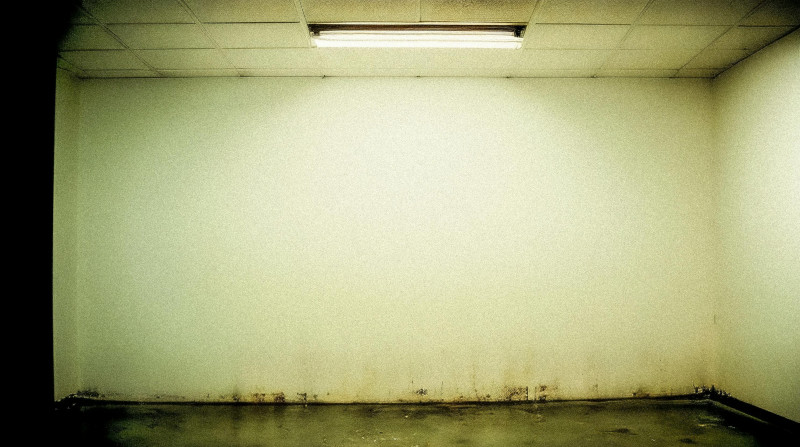
                • How do I waterproof a basement?

                  Basement moisture can lead to mold, structural damage, and poor indoor air quality. You can stop water intrusion by identifying entry points, improving drainage, and sealing cracks. Interior and exterior solutions, like sump pumps, waterproof coatings, and proper grading, give lasting protection. Take action now to keep your basement dry and functional.

                  The Wet Wall

                  You face a wet wall when moisture seeps through masonry, often showing as damp patches or efflorescence. This isn’t just surface condensation. It’s the groundwater pressure forcing water inward. Ignoring it leads to mold, odors, and structural damage over time. Your best defense is an interior drainage system paired with a vapor barrier or drainage mat that channels water to a sump pump. Sealing alone won’t stop active leaks; you need to manage the water’s path.

                  The Deep Trench

                  You dig a trench around the perimeter of your foundation, deep enough to expose the footing. This allows direct access to the exterior basement wall where water pressure is greatest. Line the trench with gravel, install a perforated drain pipe sloped toward a sump pit, then cover with more gravel and landscape fabric. Backfill carefully to preserve drainage function.

                  The Stone Patch

                  You start by cleaning the damaged area, removing loose debris and dust with a wire brush. A mixture of hydraulic cement and stone dust creates a durable, water-resistant patch. Press it firmly into cracks or holes, smoothing the surface to blend with the surrounding masonry. This repair sets quickly, even under damp conditions, forming a long-lasting barrier against moisture intrusion.

                  The Floor Pipe

                  Water often enters through floor drains or pipe penetrations, especially in basements with sump pumps or utility lines. You need to seal around the pipe where it meets the concrete using a high-quality hydraulic cement or polyurethane-based sealant. Make sure the area is clean and dry before application, and extend the sealant several inches beyond the pipe for full protection.

                  The Strong Pump

                  You need a reliable sump pump to keep water out of your basement long-term. A high-quality model with a strong motor and backup battery ensures continuous operation during storms or power outages. Choose one with a durable liner and proper discharge capacity to handle heavy inflow. Position it in the lowest part of the basement for maximum efficiency.

                  “Eric did amazing work when our basement flooded. He fixed all the damage quickly. He also installed drain tile in our basement, updated our sump pump, and upgraded our half bath to a full bath. Everything was done to very high quality. Later on, he replaced rotten boards in my deck. Would highly recommend to anyone that needs anything done!” – Link to Review

                  The Sloping Earth

                  You need to ensure the ground around your foundation slopes away from your home. Proper grading directs rainwater and runoff away from the basement walls, reducing hydrostatic pressure. Aim for at least a 6-inch drop over the first 10 feet. Adjusting the landscape now prevents water from pooling near the foundation later.

                  To wrap up

                  Now you know how to waterproof a basement effectively. You seal cracks, install a sump pump, grade soil away from the foundation, and manage gutters properly. These steps stop water before it enters. You maintain a dry, protected space by acting on all entry points. Your basement stays safe and functional year-round.

                  Reach out to LeDuc Construction today for a no-pressure estimate and honest recommendations.

                  Related Content
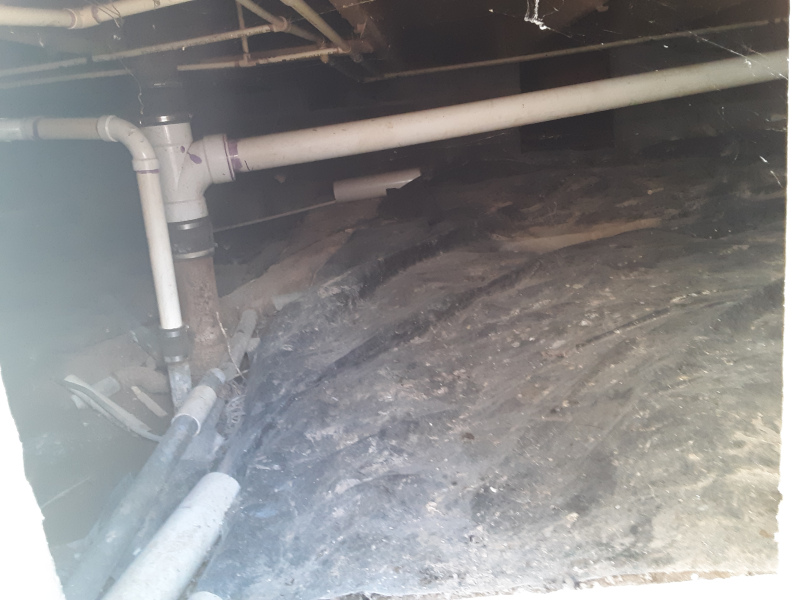
                  • Basement Crawl Space Waterproofing

                    Over 60% of homes with crawl spaces face moisture issues that compromise indoor air quality and structural integrity. You can prevent mold, wood rot, and high humidity by sealing gaps, installing vapor barriers, and using proper drainage systems. Taking action now protects your home’s foundation and improves long-term durability.

                    “Eric and crew put in a waterproofing system for us in our basement and spring of 2026 was sure the year to test it. Boy did it work…

                    With all of the flooding throughout Delta & Menominee county, our basement was not one of them. Not a drop of water in our basement.

                    In addition to the basement water proofing system, Eric and crew installed rigid foam insulation on all exterior walls, installed 2 egress windows and even encapsulated our crawlspace.
                    Everything they did was excellent and they cleaned up very well after the job concluded.

                    His crew was exceptional and always in good spirits. They arrived on time, worked a full 8 hours and were back again the next day with the same great attitude.

                    I would highly recommend LeDuc Construction for your next project!” – Link to Review

                    The Signs of the Flood

                    You may notice damp patches on walls or a musty odor lingering in the air-these are early warnings that your basement is at risk. Cracks in the foundation, standing water after rain, or efflorescence (white chalky residue) signal moisture intrusion. Ignoring these signs increases the chance of structural damage and mold growth. You need to act before minor seepage becomes a major flood.

                    The Work Outside

                    Your home’s exterior plays a major role in keeping moisture out of the basement and crawl space. Start by grading soil away from the foundation to direct rainwater downhill. Install or clean gutters and downspouts to carry water at least six feet from the house. Sealing foundation cracks with waterproof mortar and adding a drainage system like a French drain can make a lasting difference. You’re building a defense where water first meets your home.

                    The Guarding of the Walls

                    Your basement walls face constant pressure from surrounding soil moisture, especially after heavy rains or snowmelt. A properly sealed wall stops water from seeping through cracks or porous concrete. You need durable interior or exterior waterproofing membranes that bond tightly and resist hydrostatic pressure. Ignoring this step risks mold, structural damage, and compromised indoor air quality over time.

                    The Mechanical Sentry

                    Your basement’s first line of defense is a well-maintained sump pump, silently standing guard against rising water. This compact system activates when groundwater levels climb, channeling moisture away before it infiltrates your space. You rely on it during heavy rains, trusting its motor and float switch to respond without fail. Regular testing ensures it remains ready, protecting your home from unseen threats below.

                    The Heavy Plastic

                    You rely on heavy-duty plastic vapor barriers to block moisture from seeping through crawl space dirt floors. This thick polyethylene liner, typically 20 mils or more, resists tears during installation and long-term exposure. Properly sealed at seams and edges with tape or adhesive, it creates a continuous shield that stops humidity from rising into your home. You’ll need to anchor it securely to prevent shifting, especially in areas with fluctuating temperatures or foot traffic.

                    The Movement of Air

                    You control how air flows through your crawl space more than you might think. Stagnant air traps moisture, encouraging mold and wood decay. Proper ventilation works with your waterproofing system to keep humidity low. Sealing vapor barriers and installing a dehumidifier help manage airflow effectively. Balanced pressure prevents damp air from rising into your home.

                    Conclusion

                    Summing up, you protect your home’s foundation and indoor air quality by addressing moisture in your basement crawl space. Proper waterproofing stops mold, deters pests, and preserves structural integrity. You ensure long-term savings and a healthier living environment when you take action early and use reliable methods tailored to your home’s needs.

                    Reach out to LeDuc Construction today for a no-pressure estimate and honest recommendations.

                    Related Content
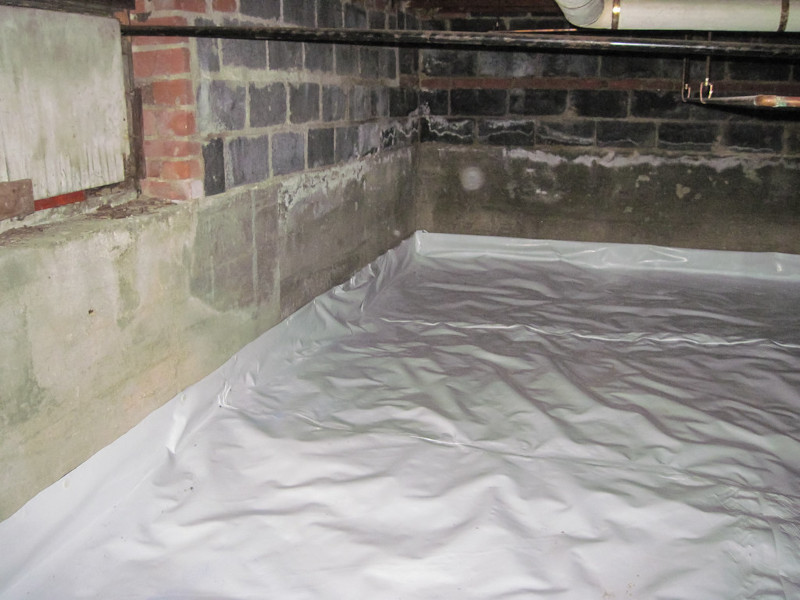
                    • Below-Ground Drainage System

                      There’s a hidden network beneath your yard that protects your property from water damage. You rely on your below-ground drainage system to redirect excess groundwater and surface runoff away from foundations and landscapes. Properly installed, it prevents flooding, soil erosion, and structural issues over time.

                      The Anatomy of the Trench

                      You start by cutting a precise channel into the soil, typically 12 to 18 inches wide and sloped at a consistent gradient. The trench floor must be stable and free of debris to support the pipe. A layer of gravel forms the base, cradling the perforated pipe that will carry away excess water. You position the pipe with the holes facing down to prevent silt buildup. Finally, more gravel covers the pipe, followed by a filter fabric to keep soil from clogging the system.

                      The Geometry of Gravity

                      You shape underground drainage by working with natural slopes and elevation changes. Gravity moves water efficiently when pipes follow precise gradients, typically between 1% and 3%. Too little slope slows flow; too much increases erosion and sediment buildup. Your system’s success depends on accurate measurements and consistent alignment across runs. Every bend and drop must support steady, self-cleaning movement.

                      Access and Inspection

                      Regular access to your drainage system ensures long-term performance. You should inspect junction points and manholes periodically to check for blockages or sediment buildup. Clear covers and designated access ports make it easy to monitor flow conditions without excavation. Keeping these points unobstructed allows you to respond quickly to issues and maintain efficient operation year-round.

                      The Rain and the Storm

                      Heavy rain tests your drainage system like nothing else. You’ve seen how water gathers on the surface when the sky opens up. A well-designed below-ground network channels that surge before it causes damage. You’re not just managing moisture-you’re redirecting nature’s force with precision. Every pipe, joint, and outlet works under pressure, keeping your property safe from flooding and erosion.

                      The Foul Water Path

                      You handle foul water differently from surface runoff-it carries waste and requires sealed, correctly sloped pipes to prevent leaks and blockages. This network directs wastewater from toilets, sinks, and appliances to the main sewer or a treatment system. Maintaining pipe integrity and proper venting ensures odors stay contained and flow remains consistent. You must follow local codes for pipe materials and connection depths to avoid contamination risks.

                      Testing the Line

                      You verify the integrity of the installed drainage line by conducting a simple water flow test. Pour a bucket of water into the inlet and observe how quickly it moves through the pipe. Any pooling or slow drainage indicates a blockage or incorrect slope. Clear obstructions immediately and recheck alignment to ensure long-term performance.

                      “Eric did amazing work when our basement flooded. He fixed all the damage quickly. He also installed drain tile in our basement, updated our sump pump, and upgraded our half bath to a full bath. Everything was done to very high quality. Later on, he replaced rotten boards in my deck. Would highly recommend to anyone that needs anything done!” – Link to Review

                      Conclusion

                      Following this examination of below-ground drainage systems, you understand how proper design and installation directly impact property integrity and water management. These systems quietly perform imperative functions, directing excess water away to prevent damage. Your awareness of materials, slope, and maintenance ensures long-term effectiveness and protection for any structure.

                      Reach out to LeDuc Construction today for a no-pressure estimate and honest recommendations.

                      Related Content